

Table of Contents
Executive Summary of Amber Leaf Tobacco
Amber Leaf is a prominent brand of roll-your-own (RYO) tobacco, manufactured by Japan Tobacco International (JTI), recognized for its distinctive blends and formulations that cater to a diverse smoker demographic. Launched in 1991, the flagship product, the Original Blend, combines Bright Virginia and Burley tobaccos, delivering a mild-to-medium strength smoke characterized by nutty undertones and a rich aroma. The brand’s popularity is underscored by its significant market share, commanding 27% of the UK RYO segment as of 2021, amidst changing consumer preferences and increasing regulatory scrutiny in the tobacco industry.[1][2][3]
Amber Leaf offers several variants, including the Original Blend, the lighter Amber Leaf Blonde introduced in 2012, and the now-discontinued Signature Blend, which featured organically grown Brazilian tobacco. These products are designed to cater to varying consumer tastes while maintaining a commitment to quality and consistency. However, Amber Leaf’s marketing strategies, particularly those aimed at younger demographics, have sparked controversy and raised concerns regarding public health implications associated with RYO tobacco products, which present risks comparable to traditional cigarettes.[2][4][5]
Regulatory frameworks in both the UK and the US impose strict controls on tobacco advertising, compelling Amber Leaf to adapt its marketing strategies to comply with these laws. The brand’s promotional efforts have increasingly relied on point-of-sale materials and innovative packaging to engage adult consumers while navigating regulatory challenges. Ongoing public health campaigns continue to highlight the dangers of tobacco use, including RYO products, further complicating Amber Leaf’s market positioning and growth potential in a landscape marked by heightened awareness of tobacco-related health risks.[4][6]
Despite the controversies and regulatory hurdles, Amber Leaf remains a staple in the RYO tobacco market, reflecting a blend of consumer loyalty and ongoing public health scrutiny. The brand’s ability to balance quality with innovative marketing while addressing health concerns will be crucial as it seeks to navigate the evolving tobacco landscape.[3][7][8]
Overview of Amber Leaf Rolling Tobacco
Amber Leaf is a brand of roll-your-own (RYO) tobacco known for its distinctive blends and formulations. The flagship product, the Original Blend, was launched in 1991 and features a combination of Bright Virginia and Burley tobaccos, delivering a mild-to-medium strength smoke with nutty undertones and a smooth character. The flavor profile is complemented by a rich aroma reminiscent of wine and precious woods, making it a popular choice for daily use among smokers who prefer a traditional tobacco experience[1][2][9].
Amber Leaf Product Range and Variants
Amber Leaf offers several variants to cater to diverse consumer preferences:
Amber Leaf Original Blend
The Original Blend remains the core offering, characterized by its balanced flavor and robust aroma. It is crafted to provide a consistent smoking experience without modifications for lighter profiles, ensuring a smooth and mellow smoke[1][2].
Amber Leaf Blonde Rolling Tobacco
Introduced in November 2012, the Amber Leaf Blonde variant targets smokers seeking a lighter option. This blend utilizes premium Virginia tobacco and is designed to minimize throat irritation while offering a smoother smoking experience, appealing particularly to dual smokers who consume both RYO tobacco and factory-made cigarettes[2][4].
Amber Leaf Signature Blend (Discontinued)
Launched in August 2014, the Amber Leaf Signature Blend was a premium variant that incorporated organically grown Brazilian tobacco. Marketed as an additive-free option, it aimed to attract consumers interested in a more natural smoking experience. However, it was discontinued around 2020 due to changing consumer preferences and market dynamics[2][3].
Amber Leaf Product Gallery – Amber Leaf rolling tobacco product range and packaging.
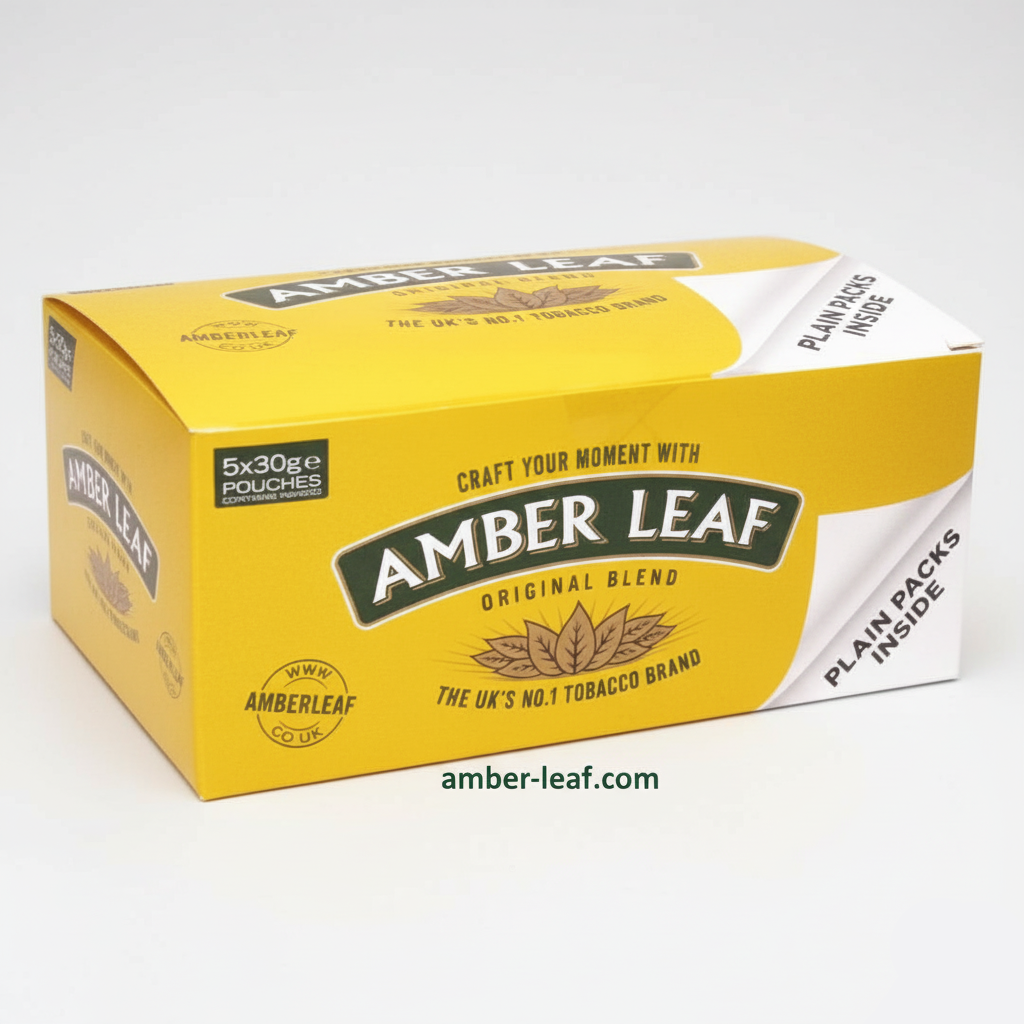
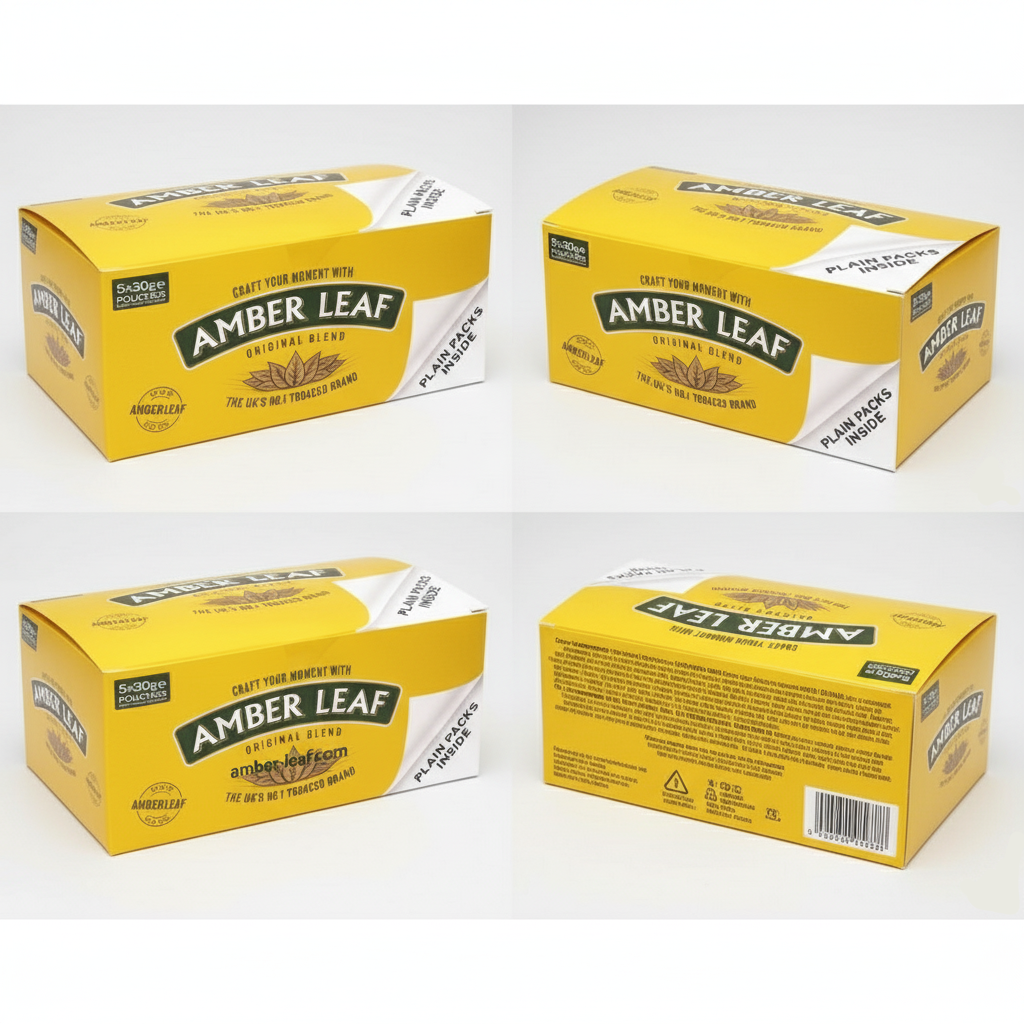
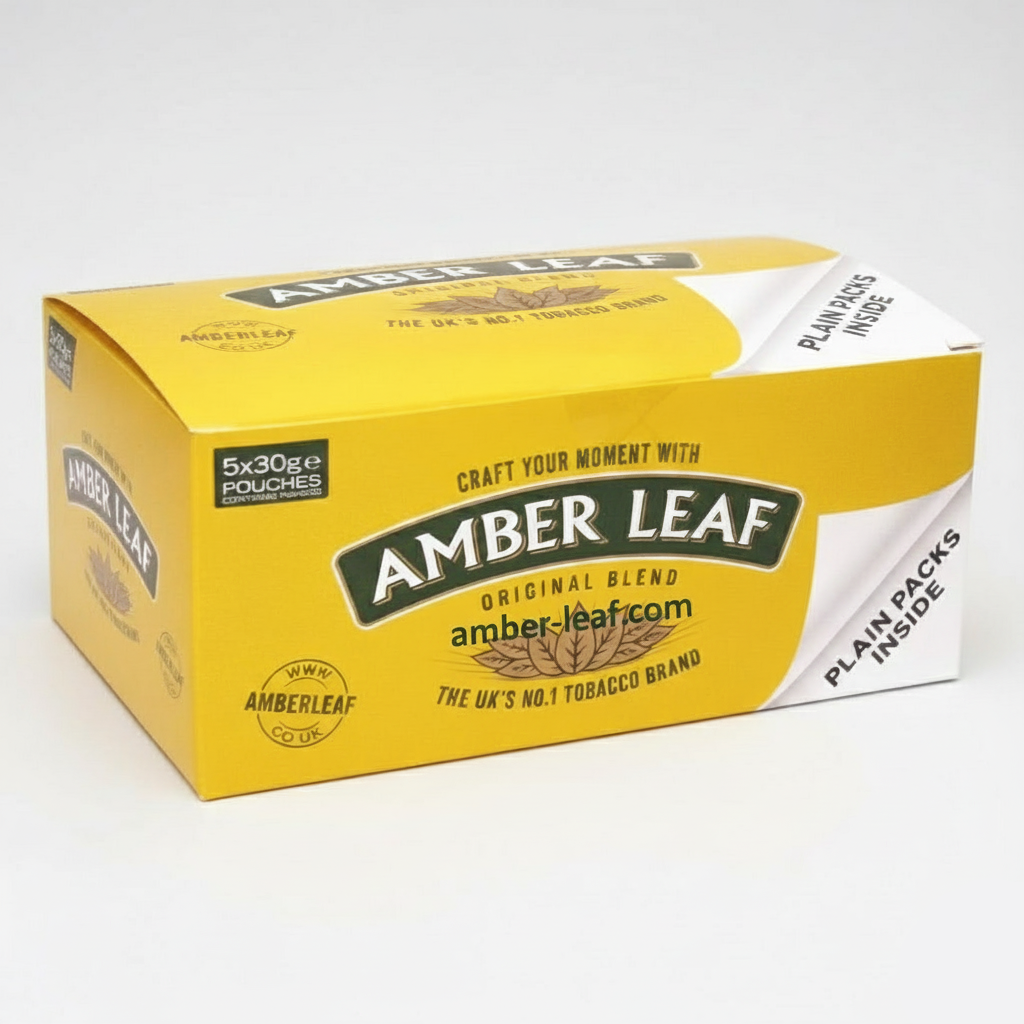
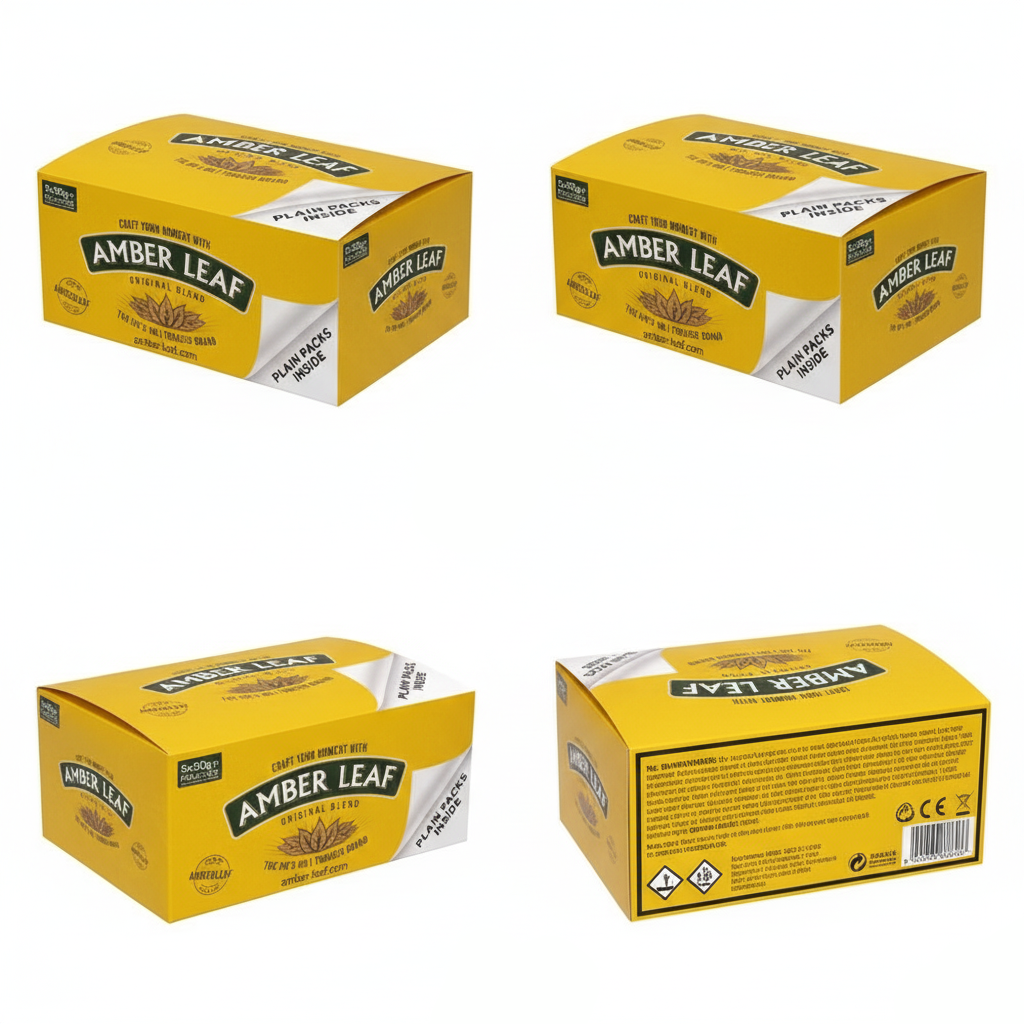
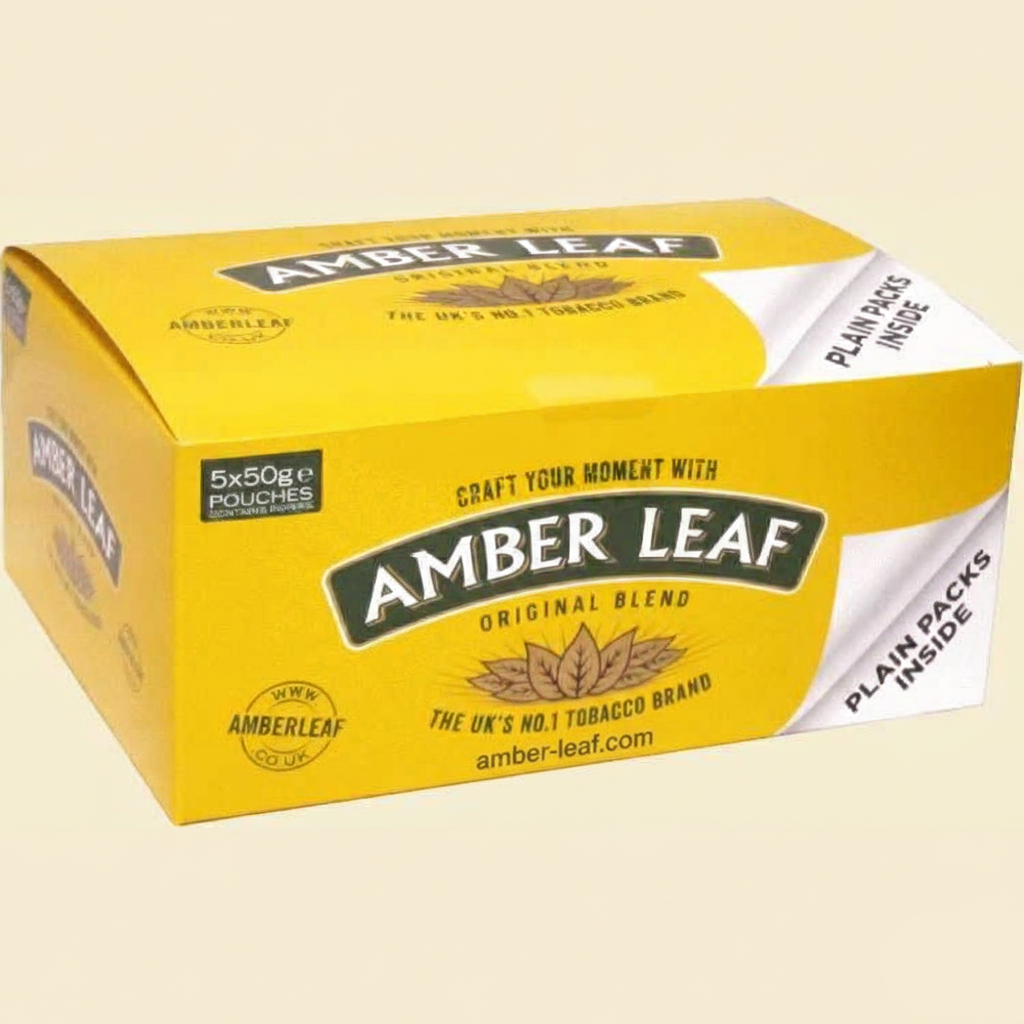
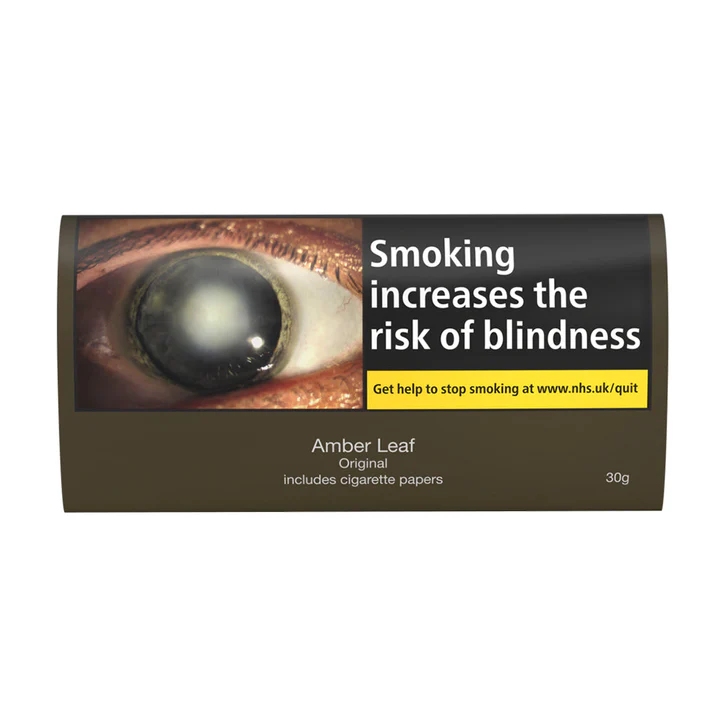
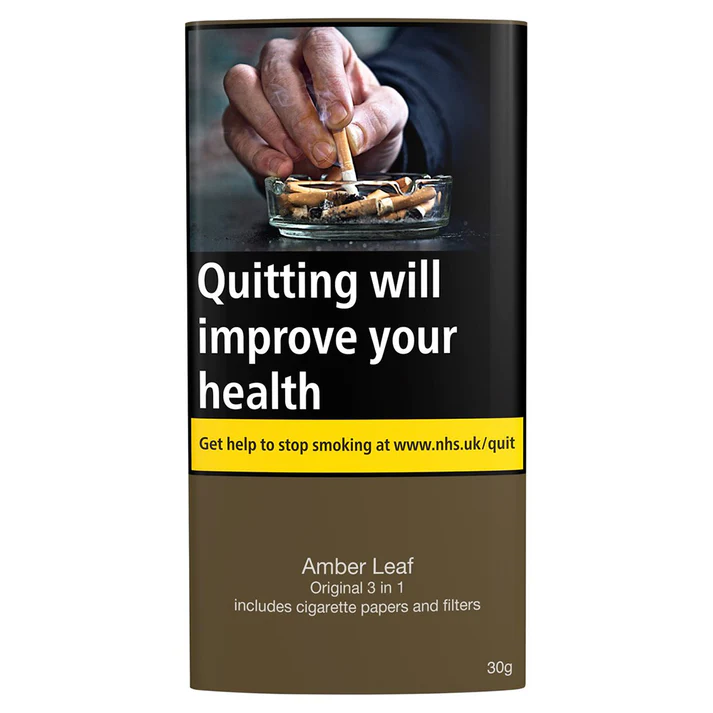
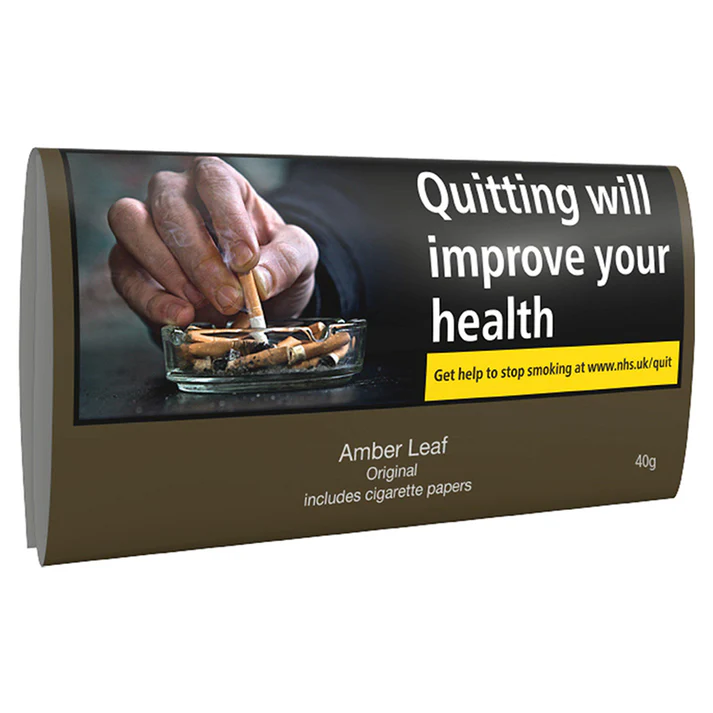
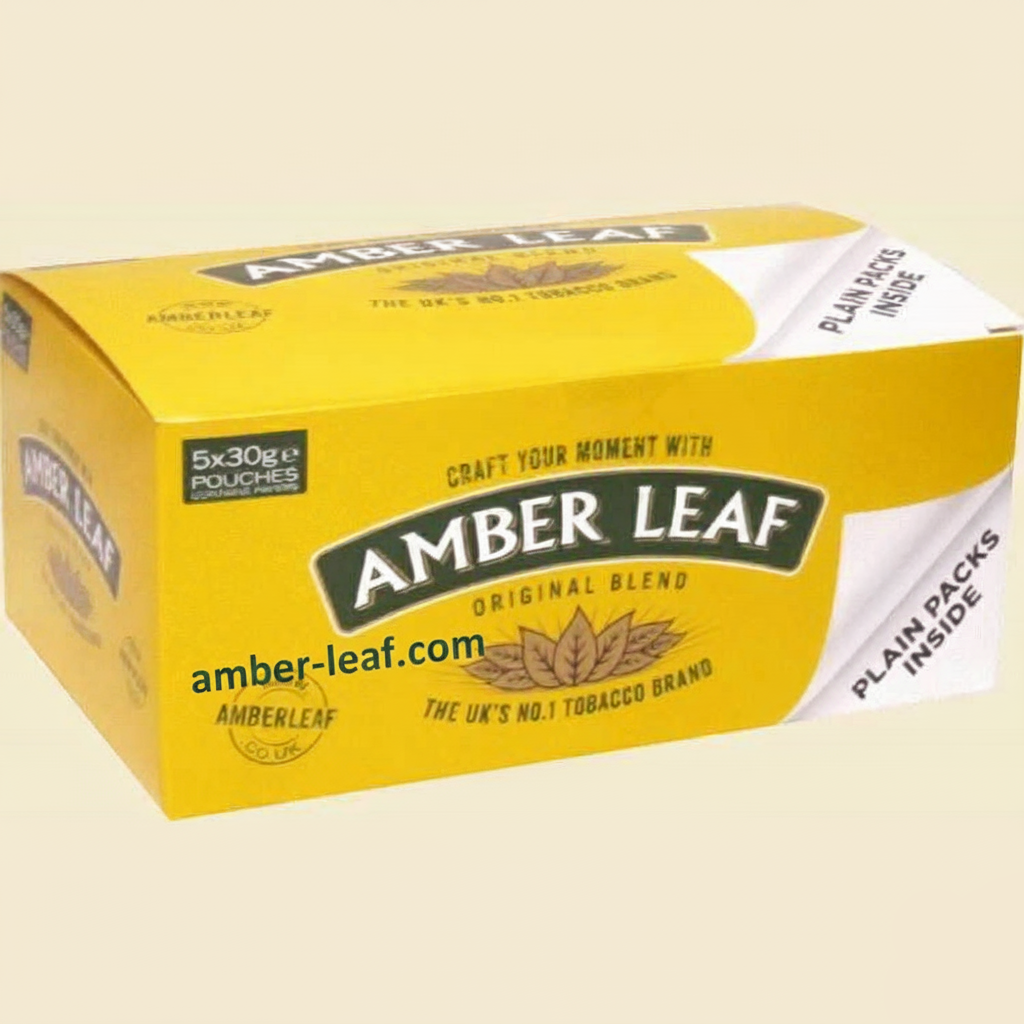
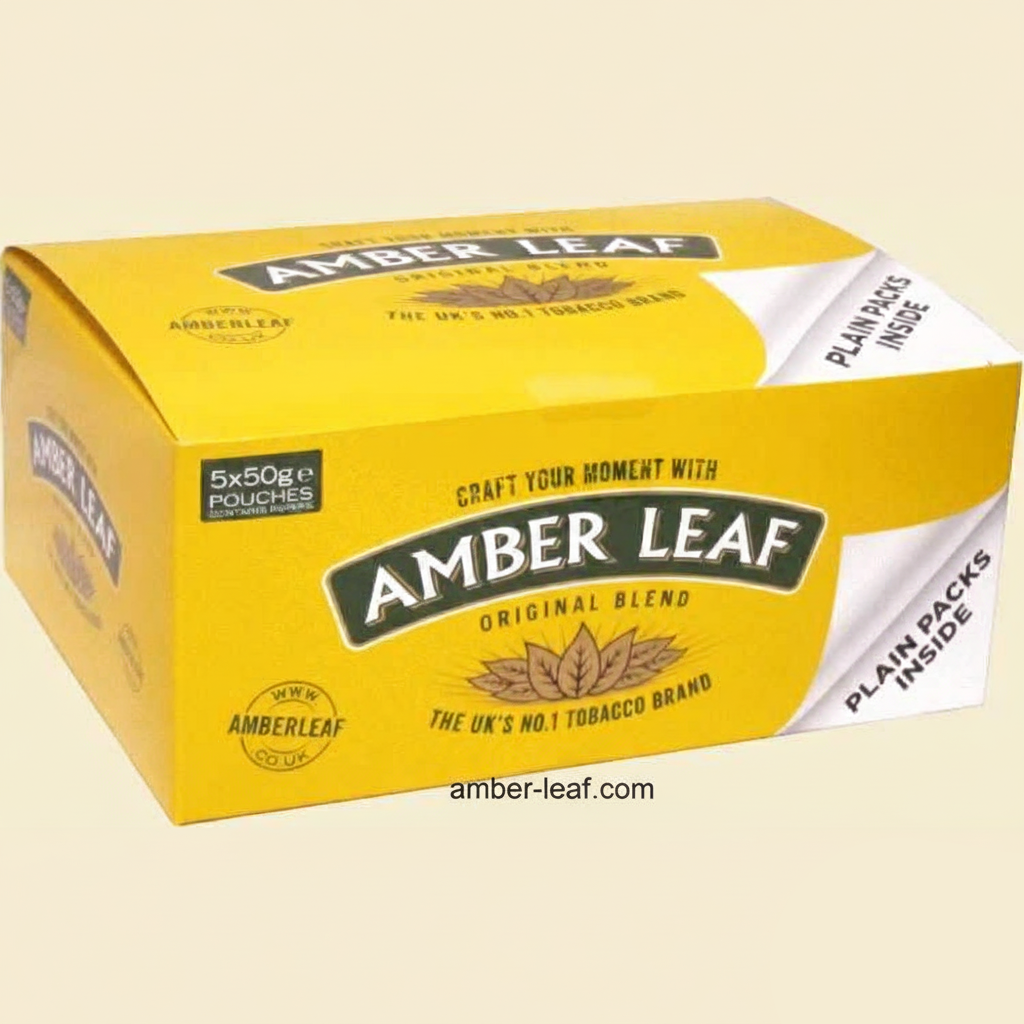
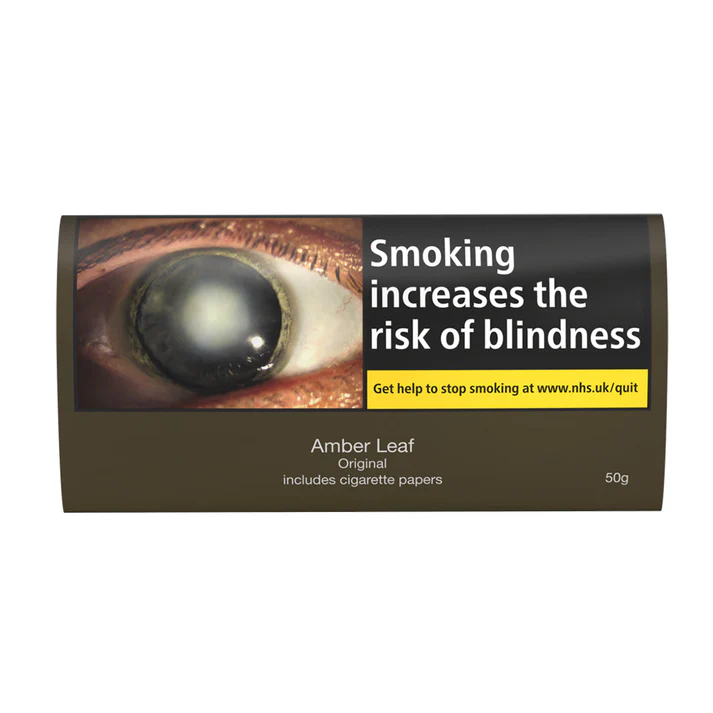
Amber Leaf rolling tobacco products and packaging, showcasing available blends, formats, and brand design.
Tobacco Composition, Ingredients, and Additives
Amber Leaf blends are not only crafted from high-quality tobacco but also incorporate additives like glycerol to maintain moisture and enhance the rolling experience. These proprietary flavorings contribute to the product’s unique aroma, further distinguishing it in the competitive RYO market. While the specific formulations remain proprietary, they are developed to ensure consistent quality across different blends[1][2].
Amber Leaf Market Share and Global Presence
As of 2021, Amber Leaf commands a significant market share of 27% in the UK RYO segment, underscoring its dominance in this category despite evolving consumer trends and regulatory challenges[2][3]. The brand’s strategic offerings, combined with its commitment to quality, continue to resonate with a wide range of adult smokers.
Legal and Regulatory Status of Amber Leaf Tobacco
Amber Leaf, as a brand of rolling tobacco, is subject to various regulatory frameworks depending on the region in which it is marketed. In the United Kingdom and the European Union, stringent regulations govern the marketing and sale of tobacco products. Since the 1960s, television and radio advertising for tobacco has been banned, and these restrictions have been reinforced by EU directives in the 2000s. Consequently, Amber Leaf’s marketing strategies have adapted by focusing on point-of-sale materials and innovative packaging designs to engage adult consumers in compliance with these regulations[2].
In the United States, the Food and Drug Administration (FDA) regulates the manufacture, import, packaging, labeling, advertising, promotion, sale, and distribution of roll-your-own tobacco products under the Federal Food, Drug, and Cosmetic Act (FD&C Act)[6]. This includes oversight of tobacco rolling papers. Manufacturers and retailers of roll-your-own tobacco must adhere to specific compliance requirements, and the FDA’s Center for Tobacco Products (CTP) provides resources to assist small businesses in understanding and following these regulations[6].
Additionally, federal law in the U.S. restricts advertising and promotion of tobacco products, including limitations on free samples and specific marketing tactics aimed at youth[4]. There are also variations in regulations across states, with some imposing stricter controls than federal law, such as regulations on marketing and promotional practices, which have been shown to negatively impact market growth for tobacco products, including Amber Leaf[3].
In terms of product safety and health warnings, regulations continue to evolve. The FDA is actively working to improve warning labels and limit flavors in tobacco products, which affects Amber Leaf as part of the broader tobacco market[4]. As legislation changes, both domestic and international compliance will be crucial for Amber Leaf to navigate the evolving landscape of tobacco regulation.
Market Reception and Public Response
Amber Leaf, a brand of roll-your-own (RYO) tobacco, has garnered a varied reception within both consumer and regulatory circles. Its marketing strategies, particularly those that target younger demographics, have sparked significant controversy. For instance, complaints have been filed against British American Tobacco (BAT) in Brazil and the United Kingdom over its social media marketing practices for Amber Leaf and other brands, indicating a growing concern over the promotion of tobacco products in platforms frequented by youth[10].
Market Presence
Despite the controversies, Amber Leaf maintains a prominent position in the market for RYO tobacco. Its brand is often associated with affordability and accessibility, especially in more deprived neighborhoods where cheaper brands tend to sell better[7]. However, the popularity of Amber Leaf has not been without consequence, as health experts continue to raise alarms about the risks associated with RYO tobacco, which pose similar dangers to traditional cigarette smoking[2].
Health Risks and Public Health Considerations
Public health campaigns have increasingly highlighted the health risks of RYO tobacco, including exposure to harmful chemicals and increased risk of lung cancer and heart disease due to secondhand smoke[2][6]. The branding and marketing of Amber Leaf are under scrutiny for potentially attracting new users, particularly among vulnerable populations. Studies suggest that advertisements promoting such products may contribute to tobacco experimentation, particularly among adolescents[4].
Consumer Sentiment
In contrast, consumer sentiment towards Amber Leaf seems to reflect a blend of familiarity and stigma associated with tobacco products. Many users appreciate the product’s quality and price point, contributing to its sustained popularity[7]. However, ongoing anti-tobacco campaigns and regulatory measures are increasingly aiming to mitigate youth initiation into smoking by raising awareness about the associated risks of all tobacco products, including RYO varieties like Amber Leaf[4][5].
History and Development of the Amber Leaf Brand
Amber Leaf, a prominent brand in the roll-your-own (RYO) tobacco segment, has established itself as a premium choice among adult smokers. Manufactured by Japan Tobacco International (JTI), the brand is renowned for its blend of Virginia and Burley tobaccos, which delivers a smooth taste and consistent quality that appeals to discerning consumers[8][11].
Origins and Early Market Entry
Amber Leaf’s journey began in the late 20th century when the RYO market saw a significant shift in consumer preferences. The brand aimed to position itself as an accessible entry point for smokers looking for high-quality tobacco at an affordable price. By emphasizing its fine cut and mild to medium strength profile, Amber Leaf quickly garnered a loyal customer base[2][8].
Marketing Strategies
Throughout its history, Amber Leaf has employed various marketing strategies to enhance its visibility and appeal. The brand’s promotional campaigns often highlight the smooth taste and quality of its tobacco, differentiating itself from competitors like Golden Virginia. The company’s proactive marketing efforts are particularly noticeable during peak seasonal demand periods, where they align their operations to capture consumer interest effectively[8][11].
Brand Growth and International Expansion
In the 1990s and 2000s, Amber Leaf expanded its presence beyond the UK, establishing a significant footprint in international markets, including Germany and Australia. This global expansion strategy has allowed the brand to tap into diverse consumer bases while maintaining its reputation as a premium tobacco option[12][2].
Recent Product and Market Developments
As of 2025, Amber Leaf continues to hold its status as the leading RYO brand in the UK. Recent product innovations, such as the introduction of seasonal offerings and format variations, aim to further enhance consumer choice and cater to evolving market trends[8]. The brand remains committed to maintaining its quality and reputation in an increasingly competitive landscape, ensuring its continued relevance in the tobacco market.
Marketing and Advertising Practices
Overview of Amber Leaf Marketing Strategies
Amber Leaf, a prominent brand of rolling tobacco owned by Japan Tobacco International (JTI), has adopted innovative marketing strategies in response to stringent regulatory restrictions in the UK and EU. Since the 1960s, bans on television and radio advertising for tobacco products have necessitated a shift toward point-of-sale materials and creative packaging designs to engage adult consumers while remaining compliant with laws prohibiting broadcast media advertising[2].
Marketing Strategies and The Rise of Amber Leaf Retail and Wholesale.
In 2009, JTI launched a notable marketing campaign featuring three limited-edition pack designs for the iconic 12.5g flip-top pack of Amber Leaf. This campaign aimed to sustain brand innovation and encourage retailers to stock the product more vigorously, thereby driving increased volume and profit over a four-week promotional period[2]. Such initiatives illustrate Amber Leaf’s focus on maintaining visibility at retail outlets, leveraging design as a means to capture consumer interest without violating advertising regulations.
Targeting Vulnerable Populations
The tobacco industry, including brands like Amber Leaf, often employs targeted marketing strategies aimed at specific demographics, including vulnerable populations. Research has shown that pro-tobacco marketing tactics segment consumers and enhance the appeal of tobacco products to particular groups. These tactics encompass tailored product designs, targeted advertising, and strategic pricing aimed at engaging populations at higher risk of tobacco use, such as racial/ethnic minorities, low socioeconomic status individuals, and those in urban or rural areas[4][13].
Anti-Tobacco Campaigns and Public Perception
In contrast, anti-tobacco campaigns have sought to counteract the appeal of tobacco products through targeted messaging aimed at vulnerable groups. Studies indicate that specific messages tailored for subpopulations are often more effective, particularly when combined with strategic placement in relevant channels and media[4]. This duality of marketing efforts—pro-tobacco versus anti-tobacco—highlights the ongoing battle for public perception and consumer behavior concerning tobacco use.
Innovations in Marketing
Despite the challenges posed by advertising regulations, Amber Leaf has successfully utilized innovative marketing approaches to maintain brand presence. For example, campaigns have involved authenticity-driven strategies, including advertisements that mimic social media content to resonate with younger audiences[14]. By fostering a relatable and genuine brand image, Amber Leaf aims to connect with consumers while navigating the complexities of the tobacco marketing landscape.
Public Perception, Anti-Tobacco Campaigns, and Cultural Impact
Marketing Strategies
Amber Leaf, a brand known for its rolling tobacco products, has utilized various culturally targeted marketing strategies to reach diverse consumer segments. Research has indicated that advertisements which align with the cultural values and beliefs of specific ethnic groups can significantly enhance their effectiveness. For instance, tailored messages that resonate with low-income African American smokers were found to increase their intention to quit smoking compared to generic messages[4]. This approach highlights the importance of authenticity in campaigns, particularly when targeting younger demographics through social media platforms[14].
Influence on Youth
The brand has also faced scrutiny regarding its marketing practices, particularly in relation to youth exposure. Tobacco companies have increasingly relied on social media influencers to engage younger audiences, making it essential for campaigns to curb such marketing tactics to prevent the normalization of tobacco use among teens[5]. Studies have shown that exposure to tobacco imagery, particularly in entertainment media, can significantly raise the likelihood of young individuals beginning to vape or smoke[5]. Consequently, awareness campaigns aimed at educating the public about these marketing strategies are vital for protecting vulnerable youth populations from the tobacco industry’s influence.
Community Engagement and Local Outreach
In addition to targeting advertisements, Amber Leaf has engaged in community-based marketing efforts. These initiatives aim to connect with consumers on a more personal level, often employing local media and culturally relevant content.
For example, research indicates that rural communities respond more favorably to localized marketing strategies compared to broader, state-wide campaigns[4]. Such engagement has been shown to enhance the effectiveness of public health messaging related to tobacco cessation and harm reduction.
References:
[1]: Amberleaf – Nifty Inc \\ Jeremy Bokor
[2]: Amber Leaf
[3]: Amber Leaf Hand Rolling Tobacco
[4]: Pro-tobacco marketing and anti-tobacco campaigns aimed at …
[5]: Roll Your Own Tobacco Products Market – The Brainy Insights
[6]: Roll-Your-Own Tobacco Products – FDA
[7]: Over 125 Organizations Call on Social Media Companies to End All… [8]: Using point-of-sale data to examine tobacco pricing across …
[9]: Seeing through Big Tobacco’s Spin – Truth Initiative
[10]: Trending Amber Leaf Tobacco 2025: Peak Demand Insights – Accio
[11]: Amber Lee Strategies
[12]: Imperial Brands – our brands
[13]: Mass Media – Tobacco Atlas
[14]: Anti-tobacco campaigns evolve, show fresh promise
[15]: “It Looks Like an Adult Sweetie Shop”: Point-of-Sale Tobacco … – jstor